
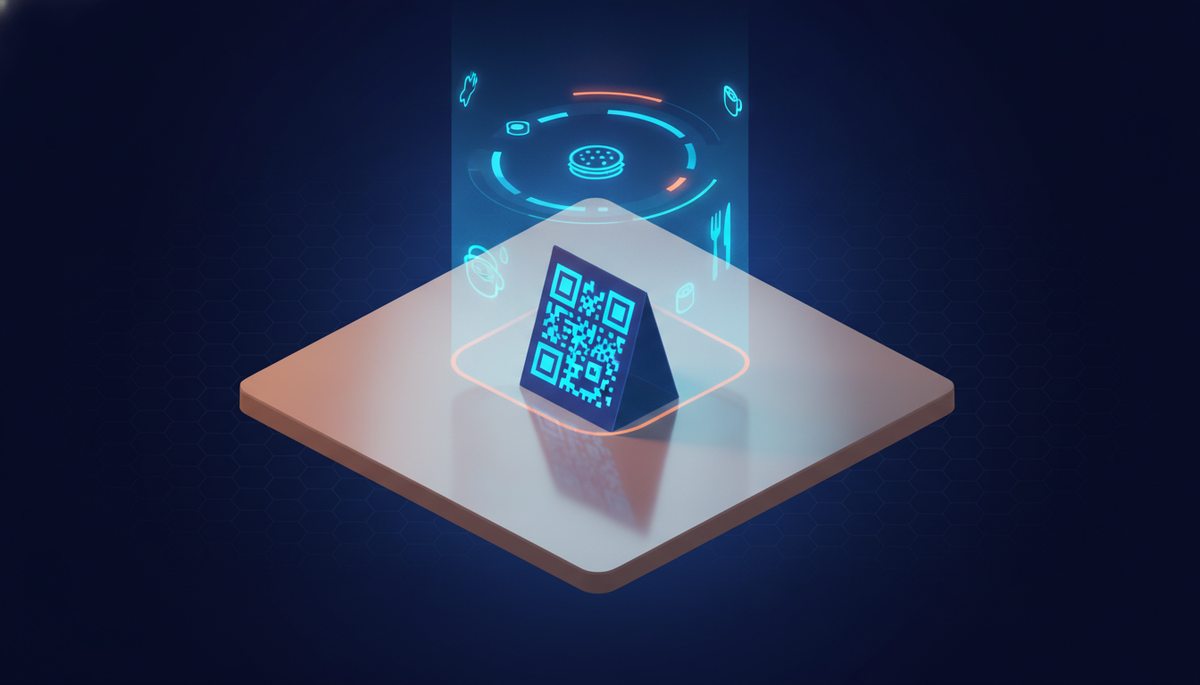
After 2020, every restaurant in Egypt got a QR code. Most of them open a PDF — a static image of the paper menu, pinched and zoomed on a phone. That's not digital ordering; that's a paper menu with extra steps. The restaurants quietly winning are using the same QR code as a full ordering channel.
PDF menu vs. ordering system
A real QR system, like the dine-in module in DineCore, gives every table its own code. The guest doesn't just read — they order, customize with modifiers, call the waiter, and request the bill, all from their seat. The kitchen sees orders instantly; the waiter walks to deliver, not to transcribe.
What changes for the business
- Bigger tickets — menus that show photos and suggest add-ons upsell every table, every time, without depending on the waiter's mood.
- Faster turns — orders reach the kitchen minutes earlier; the bill arrives when the guest wants it. At busy hours that's an extra seating per table.
- Fewer errors — the guest typed it themselves; nothing was misheard over noise.
- Data you never had — which items sell at which hours at which tables, which get browsed and abandoned. That feeds directly into menu engineering: the profit science of Stars and Dogs.
Bilingual matters here
An Egyptian QR menu must be flawless in Arabic and English, flip layouts correctly, and let the guest choose — DineCore does this natively, with AI one-click translation for every dish and even Egyptian vs. Gulf dialect flavors.
The QR code on your tables is already there. The only question is whether it's a picture of paper or a revenue channel.